Many women generally think about whether white discharge is normal, so the answer is yes, but in many cases, it is not normal. White discharge or vaginal discharge helps to clean the vagina and is healthy, and maintains the internal pH naturally.
The white discharge naturally looks thin and milky white in appearance, and the consistency of white discharge varies according to your menstrual cycle, ovulation, and pregnancy. It normally has a mild(little) or no smell and causes no discomfort
But if you are facing white discharge that is clumsy(thick or curd-like), and you notice itching, swelling, and burning, and have a strong odor, then it might be a symptom of infection. At this time, it is best to see the gynecologist near you.
What Is Vaginal (White) Discharge?
Vaginal discharge is a fluid that comes from a woman’s vagina and is also called white discharge and leukorrhea. It looks in two colours, a clear white and milky white. It is a natural process that happens in every woman’s body, and the flow depends on the hormones of the body. The amount and thickness naturally change during the menstrual cycle and pregnancy.
It is a natural process of the body that helps to clean the vagina and keep it healthy. It works as a natural cleanser that carries dead cells, bacteria, and dirt and throws them from the vagina. And it also keeps the vagina wet and maintains the right balance of acid inside, which helps to protect the vagina from infection.
Common Causes of Vaginal Discharge
Vaginal discharge is very common in women; the most common causes are:
- Hormonal changes: The hormones change during the monthly cycle, which increases the vaginal discharge, which is very common before periods.
- Ovulation: Around the middle of the cycle, when the body releases the eggs, you will see the milky white discharge, which is very common.
- Pregnancy: At the time of pregnancy, the amount of white discharge increases because of hormonal changes, which protect the baby.
- Normal vaginal cleansing: Vaginal discharge carries dead cells and bacteria through the vagina, which cleans the vagina.
When Is White Discharge Not Normal?
Most of the time, vaginal discharge is normal, but sometimes it causes problems. The signs which shows problems include:
Thick or curd-like discharge: If the white discharge looks like curd or thick white then it is not normal and can make you uncomfortable.
Foul smell: as you know the white discharge is odourless if you experience a strong, bad and fishy smell then it is a sign of infection.
Itching or burning sensation: When the white discharge releasing from your vagina causing itching, redness, pain around the vagina, then it is not normal.
If you are experiencing any of these then you should consult a doctor.
Possible Infections Related to Abnormal Discharge
Vaginal discharge is very normal and natural, and it cleans your vagina, but
Sometimes, due to infections in the vagina, the abnormal white discharge caused by the infections could be:
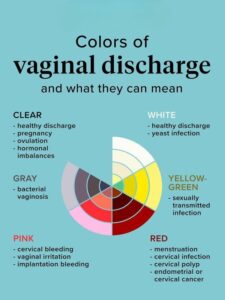
- Yeast infection:- Yeast infection is the most common infection in which the discharge becomes thick white and looks like curd or cheese, and you can also feel burning, itching and sensation near your vagina.
- Bacterial infection (Bacterial Vaginosis):-In Bacterial infection you may see the discharge as white or greyish colour and you may feel fishy or bad smell, especially after intimation, it may feel slightly itching.
- Trichomoniasis (Trich):-This infection is a sexually transmitted infection(STI) you get through sex, the smell will be so strong and you will see green, white and yellow in colour and also you may feel burning, itching and sensation.
Is it normal to have white discharge daily?
White discharge is a natural thing that happens in every woman. The white discharge works as a cleanser for the vagina in the form of white milky fluid, which throws out bacteria and dead cells from the vagina and makes the vagina part moist and balanced and germ-free.
When it is normal to have white discharge:
- When the discharge is thin and milky white.
- When it is odourless and has a light smell.
- It does not cause itching, sensation, or burning in the nearby part of the vagina.
- Sometimes the amount increases during ovulation, before periods, during pregnancy, and when you are sexually excited.
When it is not normal:
- The discharge becomes thick like cheese or curd.
- It causes burning, itching, redness, and sensation.
- It has a bad or fishy smell.
When to See a Doctor
Sometimes women take their problems for granted, but if the problem or symptoms are small, then it does not cause any problem but if the problem is big, then you should consult the doctor as soon as you see the symptoms. You should see a doctor if you feel persistent pain, bleeding, irregular periods, problems during discharge, such as burning, itching, and when the discharge smells bad, or if there is any sudden change in your body.
When you feel a sudden change in your weight, you feel tired every time, and difficulty in conceiving can cause serious issues.
If you feel any of these, then you should consult a gynecologist in South Delhi.
Listening to your body is very important. We are here for you. Don’t hesitate to call us today for better healthcare and the best consultation. Early care not only gives you peace, but it also keeps your body healthy for the long-term.
Tips for Vaginal Health:
When you maintain your vagina by keeping it healthy, which is very important for your health, some habits can change your life and help to prevent your vagina from infection and make your body balanced.
- Maintain proper hygiene: When you wash your vagina’s external part with clean water and mild or unscented soap, avoid scented soap every time you wash your vagina to prevent irritation and itching.
- Wear breathable clothes: Choose cotton underwear that is breathable, which keeps your vagina moist because tight clothes reduce the moisture in the vagina and cause irritation.
- Change hygiene products regularly: When you are on your periods then, you should change your pads or tampons every 3-4 hours to keep hygienic.
- Avoid unnecessary products: Avoid using scented products that can disturb the natural pH balance.
- Pay Attention to changes: if you notice any unusual change in your body, then you should consult a doctor immediately.
- Stay hydrated and stay healthy